The dark side of Halloween: why were turnips carved?
Halloween wasn't always marked by orange pumpkins lit from within. In fact, the most iconic symbol of this holiday has a much darker and more curious past: the first Jack-o'-lanterns were carved from turnips and beets . This tradition, born in Ireland and Scotland, was linked to the Celtic festival of Samhain , which celebrated the end of the harvest and the beginning of the "dark half" of the year.
Today, pumpkins dominate October aesthetics, but their reign is relatively recent. This blog explores how a humble turnip transformed into the global icon of Halloween and how we can reinterpret that history in the world of limited-edition bottles.
The myth of Stingy Jack
The legend that gave rise to lanterns tells of Stingy Jack , a cunning man who tricked the devil several times. As punishment, he was not accepted into either heaven or hell, and was condemned to wander with a burning ember inside a hollowed-out turnip to light his way.
Irish peasants began carving faces into turnips and beets, placing candles inside to ward off wandering spirits on Samhain night. This is how the first Jack-o'-lanterns were born.
From Ireland to the United States: the leap from turnips to pumpkins
When Irish immigrants arrived in the United States in the 19th century, they found a new ally: the pumpkin . Larger, more plentiful, and easier to carve than turnips, it quickly replaced the original vegetable.
The pumpkin became not only a practical symbol but also a cultural icon thanks to its vibrant color and its association with autumn. Since then, Halloween and pumpkins have been inseparable.
The aesthetics of fear and light
The shift from turnip to pumpkin also transformed the aesthetics of Halloween. While carved turnips could appear unsettling and even grotesque, pumpkins offered a broader canvas for creating humorous, spooky, or artistic expressions. This visual versatility helped popularize the tradition at fairs, contests, and later, in pop culture. Today, a jack-o'-lantern is more than just a decoration; it's a symbol of creativity and community.
Halloween as a cultural and commercial phenomenon
Over time, Halloween has transformed from a pagan ritual into one of the world's most commercialized celebrations. In the United States alone, it's estimated that over 600 million pounds of pumpkins are sold annually for decoration. This global phenomenon has inspired everything from movies to marketing campaigns, where pumpkins are the undisputed stars. And just as the pumpkin replaced the turnip, today, special edition bottles are becoming the new collectible icons for those looking to celebrate in style.
From lanterns to bottles: a creative parallel
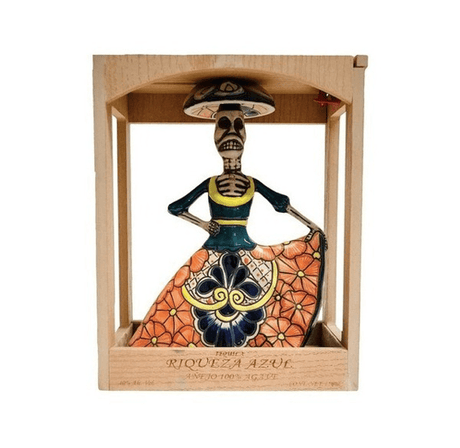
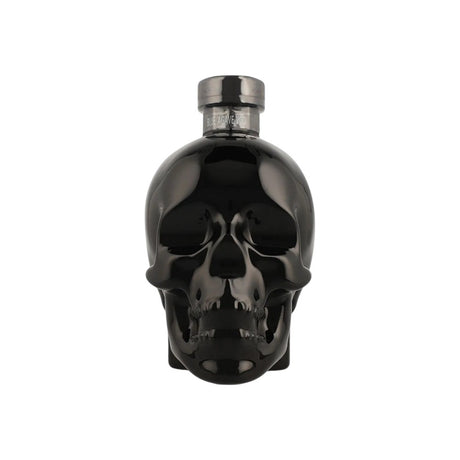
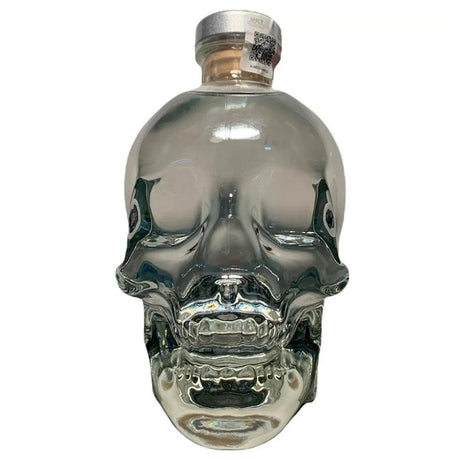
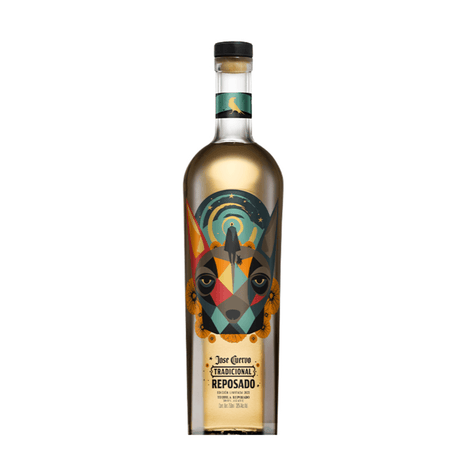
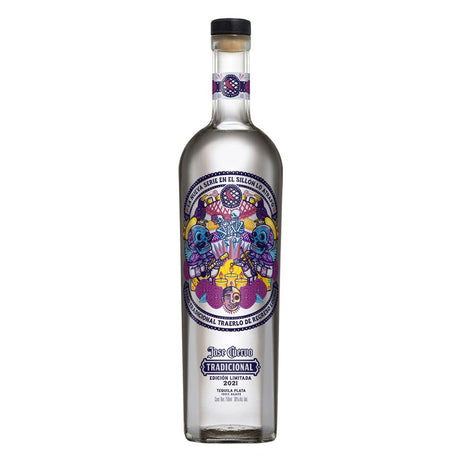
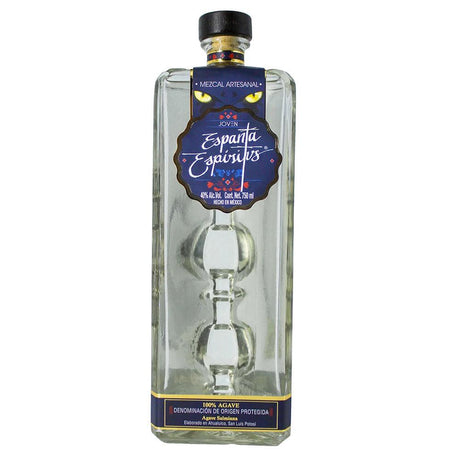
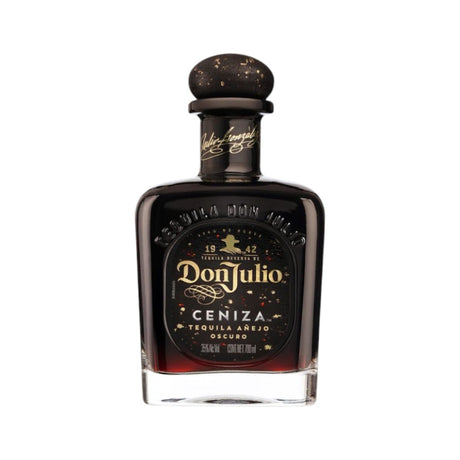
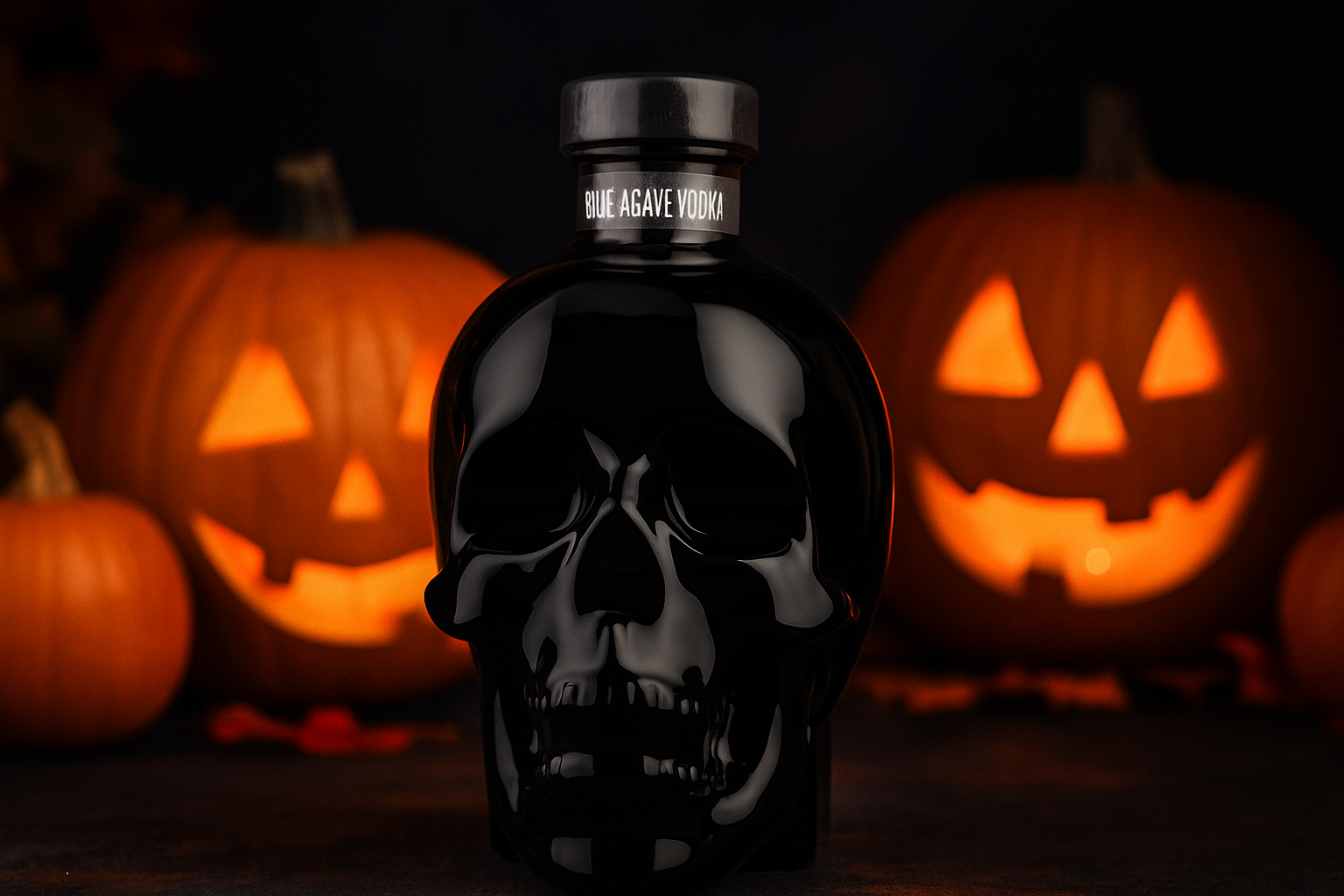
Just as turnips gave way to pumpkins, today we see how limited-edition bottles are becoming collector's items that tell stories. A tequila bottle with a dark design or a wine with a haunted label can be the modern equivalent of a Jack-o'-lantern: an object that blends tradition, aesthetics, and a touch of mystery.
Interesting and real facts
- The first Jack-o'-lanterns were carved from turnips, beets, and potatoes in Ireland and Scotland.
- The tradition became popular in the United States in the 19th century thanks to Irish immigrants.
- The pumpkin was adopted because it was more abundant and easier to carve than turnips.
- The myth of Stingy Jack is the basis of the Halloween lantern: a soul condemned to wander with its light inside a turnip.
- Today, Halloween generates more than $10 billion annually in the U.S., with pumpkins being one of the best-selling products.
This Halloween, don't just carve pumpkins… uncover stories. Our special edition bottle collection is ready to light up the night with unique designs, intense flavors, and that mysterious touch that transforms every toast into a ritual. Dare to discover them and let your glass be the most bewitching at the party 👉 Visit the Halloween Bottles collection – Vinosylicores.com