A toast to history
The Mexican Revolution (1910–1920) not only marked a turning point in Mexico's political and social history, but also in its traditions, customs, and, of course, its drinking habits. Those turbulent years saw the country's most traditional spirits and fermented beverages accompany both the trenches and rural cantinas, becoming symbols of courage, resistance, and popular celebration. Today, at Wines and Spirits , we want to celebrate that heritage with our "Bottles to Celebrate the Mexican Revolution" collection , but first, let's travel back in time together to discover which drinks fueled the revolutionaries.
Pulque: the ancestral drink of the maguey plants
One of the most emblematic drinks during the Revolution was pulque , a fermented beverage made from the sap of the maguey plant. With pre-Hispanic roots, pulque was a popular drink in rural communities and had a modest alcohol content, making it ideal for accompanying the rural lifestyle.
During the revolutionary years, pulque was ubiquitous in taverns and tinacales (production spaces), and its consumption was linked both to the sociability of the popular classes and to agrarian culture. By toasting with pulque, many peasants and soldiers found not only solace, but also the physical and moral strength to continue their struggle.
Mezcal and tequila: the fire of the agave
Alongside pulque, other agave distillates like mezcal and tequila gained significant importance. Mezcal, in particular, was an integral part of daily life in many rural communities. It was produced in traditional palenques (distilleries), using earthen ovens and natural fermentation.
Although tequila wasn't as dominant as it is today, it was already being produced in Jalisco and other regions, and during the Revolution it became a very popular drink among the local population and soldiers. In fact, after the conflict, tequila gained even more traction as a national symbol: according to contemporary sources, this sense of identity and pride fueled its consumption.
Amidst revolutionary campaigns and in small-town cantinas, a shot of mezcal or tequila became an ally to those seeking courage or camaraderie. Some leaders even favored these drinks to boost troop morale.
Mexican coffee, tepache, and other everyday drinks
It wasn't all about hard liquor: café de olla also has its place in this story. It was a comforting drink prepared in clay pots with coffee, cinnamon, and piloncillo (unrefined cane sugar). During the Revolution, it was common among the Adelitas—the female combatants—and soldiers to stay awake and warm at night.
Another traditional beverage was tepache , fermented from pineapple or corn, with a low alcohol content. Although more associated with popular celebrations, it was also part of the liquid inventory of many communities.
Revolutionary toasts and legacy in bottles
The blend of these drinks—pulque, mezcal, tequila, café de olla, and other lighter beverages—created a landscape of flavors that accompanied the Revolution. It wasn't just about getting drunk: for many, drinking was an act of solidarity, of identity, of resistance.
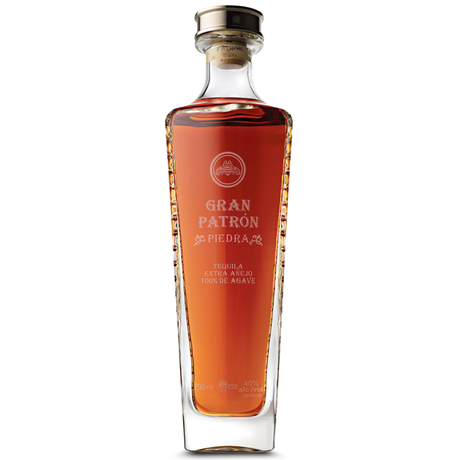
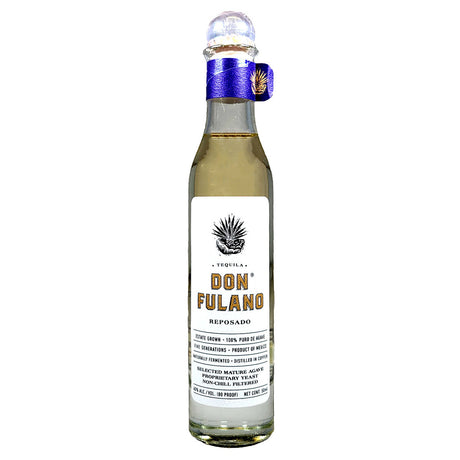
Today, at Wines and Spirits , we honor that history with our "Bottles to Celebrate the Mexican Revolution" collection . Each bottle is more than just a spirit: it's a symbol of our history, a way to toast not only the present, but also Mexico's courageous past.
We invite you to explore the collection and choose your revolutionary drink. Visit the collection: Bottles to celebrate the Mexican Revolution