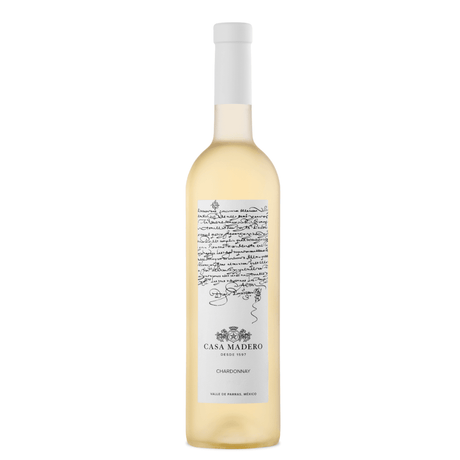
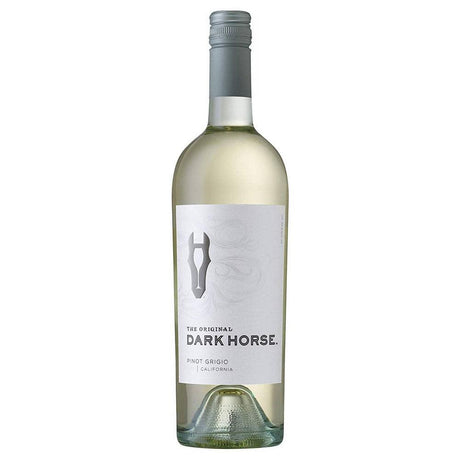
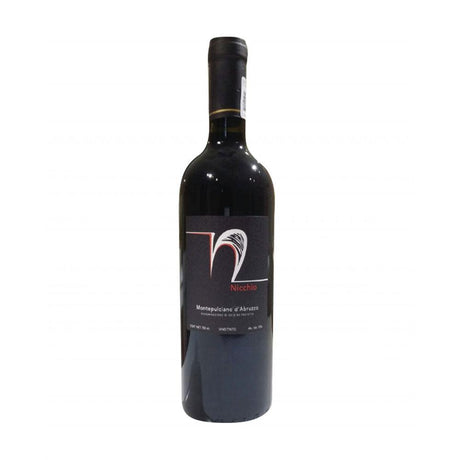
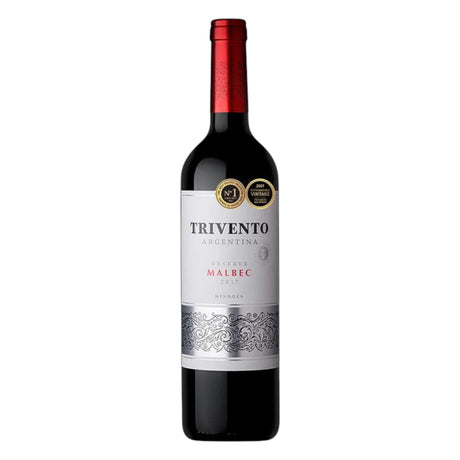
Wine has been a part of humanity for centuries : in celebrations, meals, and moments of introspection. However, over time, numerous myths have also arisen that can confuse even the most passionate wine lovers. In this article, we debunk the most common beliefs so you can enjoy wine without prejudice, with knowledge, and with pleasure.
1. “The more expensive the wine, the better it is”
One of the most widespread myths. The price of wine may depend on factors such as the prestige of the winery, the region of origin, limited production, or the production methods, but that doesn't necessarily mean it's better than a cheaper one.
There are affordable wines of exceptional quality , made by small producers who prioritize authenticity over fame. The important thing is to learn to identify which style of wine suits your personal taste rather than focusing solely on the price tag.
Truth: The best wine is the one you enjoy the most, not the most expensive.
2. “Red wine should be served at room temperature”
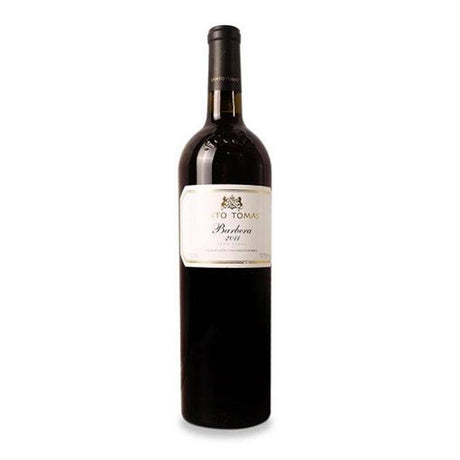
This myth originated in Europe, where ambient temperatures are generally lower than in Latin America. In reality, red wines should be served between 14 and 18°C , depending on their body. A light red wine, such as a Pinot Noir, is best enjoyed slightly chilled, while a more robust one, such as a Cabernet Sauvignon, expresses itself better at a slightly warmer temperature.
Truth: The correct temperature highlights aromas, flavors, and balances the wine.
3. “White and rosé wines are only for women”
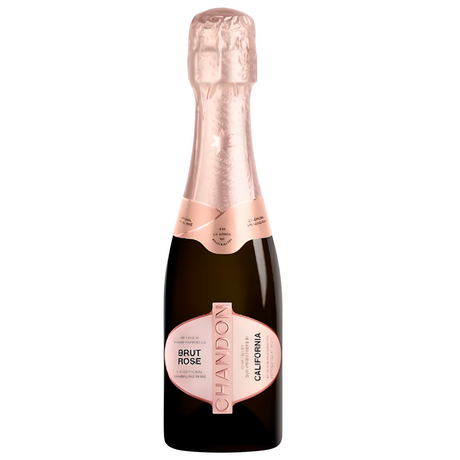
This myth has a cultural undertone and is entirely false. White and rosé wines offer a diversity of flavors and complexities that have nothing to do with gender. In fact, some white wines, like barrel-aged Chardonnays, can have as much structure as a red.
Truth: Every wine has its moment, its dish and its perfect companion, without gender labels.
4. “Wine improves with age”
While it may sound romantic, not all wines are designed to age . Most modern wines are meant to be enjoyed young, within the first three years of bottling. Only a few wines meant for aging, such as great reds from Rioja, Bordeaux, or certain Cabernet Sauvignons, improve with age.
Truth: Not all wines age well. Enjoy each bottle at its peak.
5. “The cork determines the quality of the wine”
While natural cork is traditional and elegant, screw caps or synthetic stoppers also offer excellent sealing and preservation. Many renowned wineries use screw caps to ensure freshness, especially for white or young wines.
Truth: The type of closure does not define the quality , but rather the producer's intention and the style of the wine.
6. “Red wine is drunk with meat and white wine with fish”
This old rule no longer makes strict sense. Today, pairings are based on the intensity of flavors, acidity, and texture . A full-bodied white wine can perfectly complement a pork dish , and a young, fruity red wine can enhance oily fish like tuna or salmon.
Truth: The best combination is the one that balances flavors and creates harmony in the mouth.
7. “If the wine has sediment, it is in bad condition”
Sediment is not a sign of a defect; it is a natural part of the winemaking process, especially in unfiltered or aged wines. In fact, many winemakers consider it a sign of authenticity.
Fact: Sediment is part of the natural character of wine, not a mistake.
Toasting with knowledge: the pleasure behind every glass
Beyond the myths, wine is a sensory and emotional experience. Understanding the truth behind each belief not only enhances your enjoyment but also allows you to explore new styles, regions, and moments. The next time you uncork a bottle, remember that each glass represents a story, a land, and a shared passion.
Wine shouldn't be intimidating. There's no "should be," only the opportunity to discover and enjoy. The real magic lies in tasting, comparing, and letting yourself be surprised. So, more than following myths, follow your palate.
Toast, experience, and celebrate the truth behind every glass at: Wines – Vinosylicores.com