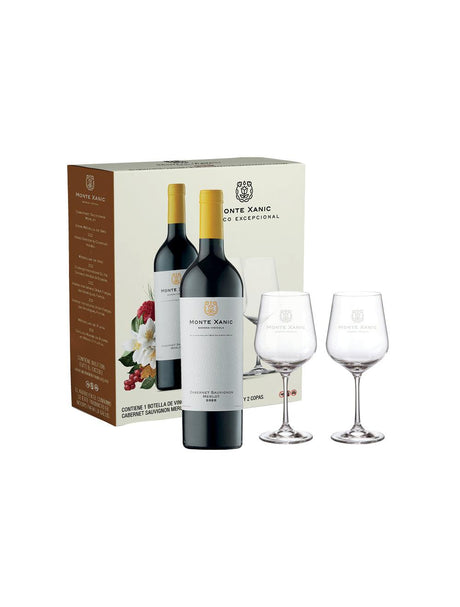
When you pick up a bottle of wine, one of the first things that catches your eye is the year on the label . It might seem like just a number, but it's actually a key clue about its history, quality, and flavor. Behind that year lies the story of a harvest, the climate of a region, and even the winemaker's style. If you've ever wondered why this information is so important or how it influences what you experience with each sip, this blog is for you.
What does the year on the label really represent?
The year you see on a bottle of wine indicates the vintage year , that is, when the grapes were harvested. This detail reveals the climatic conditions and the type of vintage, factors that largely determine the final result.
For example, a 2020 red wine is made with grapes harvested that year, even if it was bottled and sold later. Each harvest is different: a very warm summer can produce more concentrated and powerful wines, while a cooler season will yield more subtle and elegant flavors.
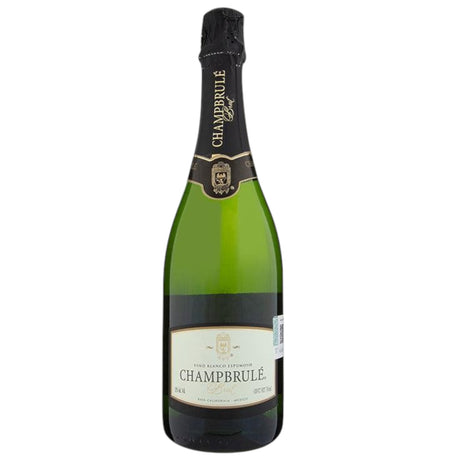
On the other hand, if the label doesn't show a year, it's probably a non-vintage (NV) wine , which blends grapes from different harvests to maintain a consistent flavor profile. This is common in some sparkling wines, such as Champagne or Cava.
The role of climate and region
The harvest year also reflects the vineyard's climatic conditions . Factors such as rainfall, temperature, and the amount of sunshine directly affect the development of the grapes and, therefore, the style of the wine.
For example:
-
A very hot year can produce wines with higher alcohol content and more mature or fruity notes .
-
A cooler or rainier year can produce lighter wines, with higher acidity and herbal or floral aromas .
This explains why the same wine can vary so much from year to year, even when it comes from the same vineyard or winery.
Wine aging and evolution
The year is also important because it allows us to calculate how much time has passed since the wine was bottled, which influences its aging process . Some wines are designed to be drunk young, while others improve with age.
-
Young wines (1–3 years): fresh, fruity and light.
-
Wines with aging (3–6 years): more complex, with notes of wood, vanilla or spices.
-
Aged wines (more than 7 years): develop tertiary aromas such as leather, tobacco or nuts, and are usually softer and rounder on the palate.
The secret is knowing when to open them : an excellent wine, drunk too soon, can seem "closed" or flat; but if it is kept longer than necessary, it risks losing freshness.
How to interpret the age when buying wine
When you see a bottle in the store or on a restaurant menu, the year can help you predict its style and its optimal drinking time .
Here are some quick tips:
-
If you prefer light and fruity wines, look for recent vintages (2022, 2023).
-
If you like more mature and structured flavors, choose vintages that are a few years older (2018, 2019).
-
For wines meant for aging , research the reputation of the vintages; some years are considered exceptional in certain regions (for example, 2015 in Bordeaux or 2010 in Rioja).
You can also check the winery's website or specialized guides, where they usually publish reviews of each vintage and its aging potential.
The year on a wine label is more than just a number: it's a testament to time, climate, and the land . It tells the story of a unique and unrepeatable harvest. Knowing how to read it allows you to choose better, appreciate the differences between bottles, and understand why a wine changes over the years. Ultimately, it brings you closer to the art behind every glass.
So the next time you pick up a bottle, take a second to look at that number. It's not just a detail: it's an invitation to travel back in time… one sip at a time. Explore our complete wine collection at: Wines – Vinosylicores.com